
Creating Immersive In-Store Experiences
Retail giants understand that shoppers expect more than traditional visual merchandising. They want sensory-rich environments that capture attention and evoke emotions. With advanced retail audiovisual solutions, stores can integrate large LED video walls, projection mapping, atmospheric lighting, and ambient soundscapes to transform ordinary spaces into immersive brand worlds.
Examples include:
- Fashion brands simulating runway experiences with floor-to-ceiling LED displays
- Beauty retailers showcasing high-resolution product animations
- Sports stores deploying motion-triggered LED content that responds to customer movements
These experiences encourage shoppers to stay longer, explore more, and form stronger emotional connections with the brand—ultimately driving sales.
Delivering Dynamic Content for Real-Time Marketing
Static posters can no longer keep pace with fast-changing retail campaigns. Digital signage networks powered by retail audiovisual solutions allow brands to update promotions, launch messages, and regional content in real time.
Retailers can instantly adjust:
- Flash sale announcements
- Seasonal visuals
- Product demos
- Localization elements for different markets
This agility ensures shoppers always see relevant, timely content that influences purchase decisions at the moment of intent.
Strengthening Brand Identity Through Storytelling
Leading retail brands use AV technology as a storytelling engine. Synchronized audio and visuals help communicate brand values, highlight craftsmanship, and build emotional resonance.
Through retail audiovisual solutions, retailers often present:
- Behind-the-scenes videos
- Sustainability messages
- Lifestyle-driven narratives
- Cultural or seasonal brand stories
This storytelling deepens brand loyalty and makes the retail space feel unique and memorable.
Enhancing Product Discovery and Education
Interactive screens, touch-enabled kiosks, and LED demo corners play a crucial role in product education. These retail audiovisual solutions help shoppers quickly understand features, compare product options, and explore usage scenarios.
Benefits include:
- Faster decision-making
- Reduced burden on sales associates
- Increased confidence in high-ticket purchases
- Upsell opportunities through related product recommendations
Well-designed AV content can deliver clearer information than traditional signage or staff explanations.
Boosting Engagement Through Personalization
AI-driven retail audiovisual solutions are bringing a new layer of personalization into brick-and-mortar stores. By integrating sensors, data analytics, and automated content engines, retailers can deliver context-aware experiences.
Examples include:
- Demographic-based content triggers
- Language auto-switching based on audience detection
- Personalized product recommendations
- Dynamic visuals based on store traffic patterns
These tailored interactions make shopping feel more relevant and enjoyable, strengthening engagement and increasing conversion.
Supporting Omnichannel Retail Strategies
With shoppers moving fluidly between online and offline channels, AV plays a critical role in bridging the gap. Retailers use retail audiovisual solutions to align in-store messaging with e-commerce branding and to integrate digital touchpoints throughout the physical environment.
Common tactics include:
- Displaying live social media content on LED walls
- Syncing physical stores with online promotional themes
- Using QR codes to connect displays to digital catalogs
- Creating “Instagrammable” LED backdrops that encourage user-generated content
By providing continuity across channels, retail brands reduce friction and enhance the overall shopping journey.
Conclusion
From immersive LED environments to personalized interactive displays, retail audiovisual solutions have become a critical investment for retail giants seeking to stay ahead. These technologies not only amplify engagement but also strengthen branding, streamline marketing, and boost sales outcomes.As AV technology continues evolving, it’s clear that retailers who embrace innovative audiovisual strategies will be best positioned to meet modern customer expectations and achieve long-term growth.
]]>
1. High-Resolution LED Display or Presentation Screen
A high-quality display is the foundation of any meeting space. Whether used for client presentations or internal discussions, a clear screen ensures everyone can see the content without strain.
Why it matters
- Improves presentation clarity
- Enhances meeting engagement
- Supports video conferencing and data visualization
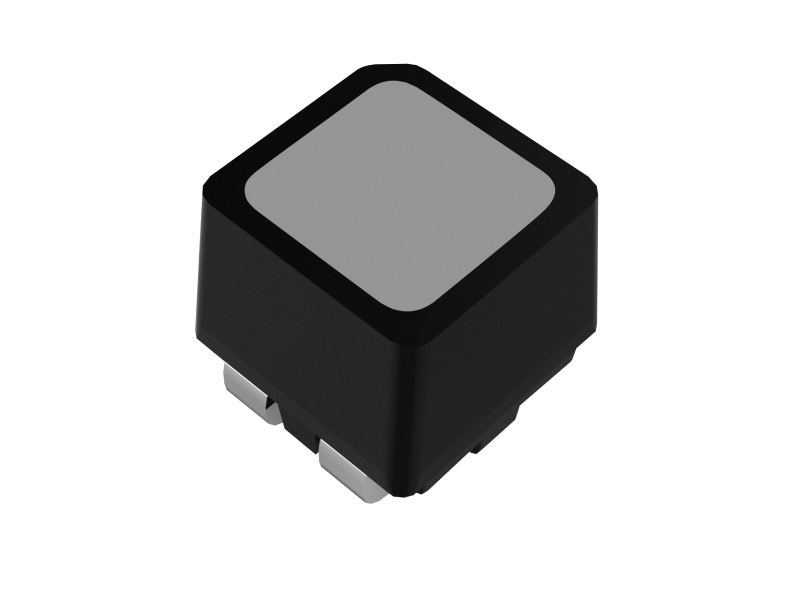
LED displays, especially commercial-grade options, offer brighter images and long-lasting performance. They are ideal for conference rooms, training spaces, and reception areas.
2. Professional Video Conferencing System
With hybrid work becoming the norm, video meetings must be smooth and reliable. A professional video conferencing system provides the audio and visual quality needed to keep conversations natural.
Key features
- High-definition cameras
- Wide-angle lenses
- Noise-cancelling microphones
- Seamless integration with platforms like Zoom or Teams
A dedicated system improves communication and reduces the frustration of technical issues during important calls.
3. Wireless Presentation System
Cables slow down meetings. A wireless presentation system allows any participant to share content instantly from their laptop or mobile device.
Benefits
- Faster meeting setup
- Cleaner, cable-free workspace
- Better collaboration with easy screen sharing
Popular systems support multiple presenters and switch between devices with a single click.
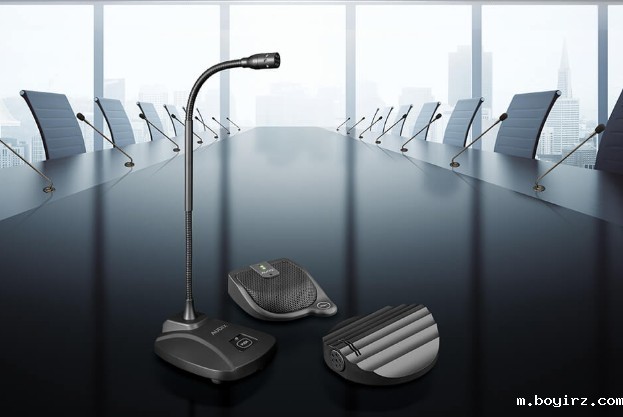
4. Room Audio System with Smart Microphones and Speakers
Clear audio is essential in every meeting room. Smart microphones capture voices evenly, while high-quality speakers ensure everyone hears the conversation.
What it improves
- Speech clarity in medium and large rooms
- Hybrid meeting audio quality
- Accessibility for participants joining remotely
Modern audio systems can also adapt automatically to room acoustics, delivering consistent performance.
5. Interactive Collaboration Board
An interactive board combines a digital whiteboard, touchscreen display, and meeting platform in one device. It makes brainstorming and content sharing more immersive.
Ideal for
- Project planning
- Creative workshops
- Team training sessions
Participants can draw, annotate, and save ideas instantly. Remote teammates can also interact in real time, improving teamwork across locations.
Conclusion
The right audiovisual tools transform how modern offices communicate and collaborate. From large LED displays to smart audio systems, each tool supports clearer meetings and more efficient workflows. Investing in these five essentials helps any company create professional, engaging, and future-ready work environments.
]]>
Automated Calibration for Flat, Curved and Hybrid LED Walls
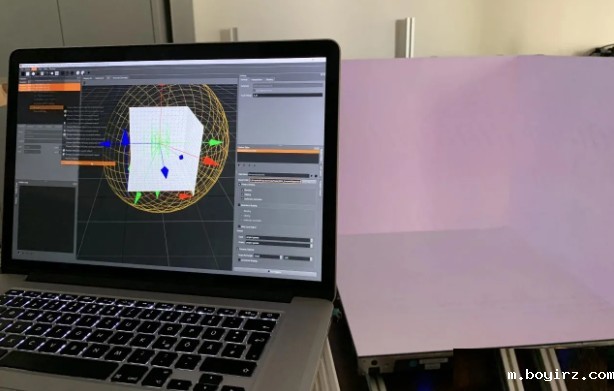
LEDtools analyses flat, curved or hybrid LED surfaces with cameras. The software performs geometric alignment automatically, without manual mesh mapping. Its computer-vision algorithms read the true shape of the LED wall and create precise calibration data.
This automated approach shortens installation time, reduces human error and improves final image accuracy. Unlike tools adapted from projection systems, LEDtools is designed from the ground up as a native auto calibration software for LED walls, matching the pixel-level behaviour of SMD LEDs.
Consistent Brightness and Colour Across the Entire Display
The software also provides automatic colour and brightness balancing. LEDtools measures each SMD pixel and adjusts it accordingly. This removes hotspots, colour shifts and uneven brightness across large LED walls. The result is a clean, natural and consistent image, even in demanding environments.
The system integrates VIOSO’s patented EyeView color-correction technology. A tracked camera captures the LED wall from the relevant viewing angle. This ensures accurate colour reproduction for immersive spaces, simulation workflows and virtual production stages.
Perspective Correction Through Real-Time Viewer Tracking
For applications that require precise spatial accuracy, LEDtools supports real-time viewpoint tracking. The software monitors the viewer’s position and adjusts the virtual frustum automatically. Objects appear correct in shape, scale and depth, even when displayed on curved or non-planar LED surfaces.
This capability is essential for XR stages, CAVE rooms and driver-in-the-loop simulators, where visual accuracy affects immersion and performance.
Native Integration With Professional Rendering Pipelines
LEDtools connects natively to many real-time render engines and can also be integrated into new workflows through an SDK. The software works independently of LED controllers, media servers or custom rendering pipelines. This allows integrators to add the system without replacing existing hardware or redesigning established workflows.
A Dedicated Auto Calibration Software for LED Walls
As LED installations continue to grow in scale and complexity, automated calibration becomes increasingly important. LEDtools offers a full platform for camera-based calibration with:
- Automatic geometric alignment
- Pixel-level colour and brightness correction
- Support for flat, curved and hybrid LED structures
- Real-time perspective correction
- Faster installation with fewer errors
- Seamless workflow integration
Christian Steinmann, VIOSO’s chief technology officer, said the technology is unique in today’s market. He emphasised that EyeView enables unmatched image fidelity and noted that LEDtools expands possibilities for simulation, virtual production and immersive visual environments.
]]>
A Market on the Rise
Futuresource estimates that the global market for narrow pixel pitch (NPP) and ultra-narrow pixel pitch (UNPP) LED displays will reach $11.7 billion by 2029. Much of this momentum comes from new manufacturing approaches that improve durability, lower costs, and make MicroLED displays viable for more applications.
A key trend is the rapid expansion of packageless LED technology. Chip-on-board (COB) and chip-on-glass (COG) solutions are forecast to grow at a 75% CAGR over the next five years. In contrast, traditional packaged LEDs such as SMD, IMD, and MiP are showing flat growth. The industry is clearly shifting toward technologies better suited for smaller pixel pitches and premium visual quality.
COB Leads the First Wave of Adoption
COB technology is already transitioning into mass production. As factories scale up, the average selling price of COB-based MicroLED displays is expected to drop by around 30% by mid-2026. This sharp decline will make COB LED walls significantly more accessible.
According to the report, COB is expected to grow at more than 66% CAGR from 2024 to 2029, reaching a market value of $5.1 billion. This growth is driven by its strong protection features, enhanced reliability, and suitability for close-up viewing.
COG Brings MicroLED to a New Level
While COB is scaling first, COG is progressing steadily toward commercial readiness. Major manufacturers— including AUO, BOE, Innolux, Leyard, LG, Samsung, and Vistar—are already investing heavily in COG MicroLED display technology.
Futuresource forecasts that COG will enter small-scale production by 2026 and reach full volume production by 2029. By the early 2030s, it is expected to achieve mass-market economies of scale. In the professional AV sector alone, COG MicroLED displays could reach $1.5 billion in 2029, growing at an impressive 172% CAGR.
MicroLED Displays Compete Directly With LCD and OLED
As pixel pitches become finer and manufacturing costs decline, LED will increasingly challenge LCD and OLED in mainstream environments. Meeting rooms, classrooms, digital signage, and even home entertainment will see stronger competition from MicroLED displays.
Compared with LCD and OLED, a MicroLED display can deliver higher brightness, stronger durability, and better long-term performance. At the same time, its visual quality is continuing to improve, especially in ultra-fine pixel pitch formats.
A Transforming Manufacturing Landscape
Industry analysts describe the current shift as “seismic.” The rise of MicroLED display technology is expected to change the balance of expertise across the entire supply chain. Semiconductor-level precision will become more important than traditional LED packaging experience.
As COB and COG technologies mature, the industry will see new production processes, updated supply chains, and new market opportunities. More importantly, these advancements will expand the global LED market across almost every vertical.
Conclusion: A Bright Future for MicroLED Display Technology
The MicroLED display market is moving quickly toward mass adoption. With strong growth forecasts for COB and COG, falling production costs, and improving visual performance, MicroLED displays are becoming a practical choice for both professional and consumer use. As the technology continues to evolve, it will redefine what is possible in modern display systems and set a new standard for future visual experiences.
]]>This article highlights the most frequently searched LED display questions, explains why they matter, and gives clear, simple answers your audience will understand.

1. What Is Pixel Pitch and Why Does It Matter?
Pixel pitch (P1.5, P2.5, P3, P4, etc.) is one of the most common LED display questions online.
Pixel pitch describes the distance between two LED pixels. A smaller number means pixels are closer together and the screen looks sharper.
How to choose the right pixel pitch?
- Short viewing distance → small pixel pitch (P1.2–P2.5)
- Medium distance → P3–P4
- Long distance → P6–P10
Pixel pitch affects clarity, cost, and content detail, so it is the first thing most buyers look for.
2. What Is the Difference Between Indoor and Outdoor LED Displays?
Another high-volume LED display question is the difference between indoor and outdoor screens.
Indoor LED displays typically offer:
- Lower brightness
- Smaller pixel pitch
- Higher color uniformity
- No need for waterproofing
Outdoor LED displays require:
- High brightness (to fight sunlight)
- Weatherproof design (IP65 or higher)
- Anti-UV, anti-corrosion materials
- Stronger cabinet and power design
People ask this question because choosing the wrong type can lead to poor performance or early failure.
3. Why Choose an LED Display Instead of LCD or Projection?
Many users compare LED displays with other technologies. This LED display question often appears when customers are planning a new installation.
LED displays offer:
- Higher brightness
- No bezels
- Better viewing angles
- Longer lifespan
- Modular design for easy repair
- Flexible sizes and creative shapes
This helps users understand when LED is a better investment.
4. What Components Make Up an LED Display?
Technical users search for LED display questions about hardware and system design.
A typical LED display includes:
- LED lamps (RGB pixels)
- LED modules
- Cabinets
- Power supplies
- Receiving cards and sending cards
- LED driver ICs
- Control system
- Cooling and protective materials
Many also ask about “refresh rate,” “gray scale,” or “scan mode,” because these affect image stability and brightness.
5. How Can I Identify a High-Quality LED Display?
This is one of the most practical LED display questions, especially for new buyers.
Key factors include:
- LED lamp quality
- Brightness & color uniformity
- Stable driver IC
- Strong cabinet design
- Proper heat management
- Correct power configuration
- Good after-sales support
Customers want to avoid low-cost, low-quality products that fail early, so this topic has high search demand.
6. What Are the Common Installation and Maintenance Issues?
People search for LED display questions such as:
- Why is my screen black?
- Why is a part of the screen flickering?
- How do I fix color inconsistencies?
- How do I prevent moisture damage?
Most problems come from:
- Incorrect control system settings
- Faulty cables or power supplies
- Environmental conditions (humidity, heat)
- Aging LED pixels
Simple troubleshooting guides help users save time and prevent downtime.
7. What Pixel Pitch Should I Use for Different Applications?
This is a top-searched LED display question because scenarios vary widely.
Retail stores: P1.2–P2.5
Corporate lobbies: P1.5–P2.5
Broadcast studios: P1.2–P1.8
Outdoor billboards: P6–P10
Stage backgrounds: P2.6–P4.8
Control rooms: P0.9–P1.5
Clear recommendations help users make confident decisions.
Conclusion: Answering LED Display Questions Builds Trust
The most popular LED display questions on Google focus on pixel pitch, installation choices, system components, quality evaluation, and maintenance. These topics show that customers want reliable, simple, and practical guidance.
By addressing these questions in your content — FAQ pages, blog posts, or product guides — you help users make better decisions and position your brand as a knowledgeable, trustworthy LED partner.
]]>
Expanding a Growing LED Shared Reality Portfolio
This new release strengthens Cosm’s partnership with Warner Bros. Pictures. The companies have already collaborated on LED shared reality versions of The Matrix and Willy Wonka & the Chocolate Factory. The Harry Potter project continues this direction and shows how studios are embracing immersive formats to refresh classic titles.
A Multi-Sensory Way to Revisit the Story
The production is created with Little Cinema and MakeMake Entertainment. Their goal is to extend the film with immersive environments that complement the narrative. Fans will also be able to enjoy themed elements such as Butterbeer and Chocolate Frogs, turning the viewing session into a multi-sensory event rather than a traditional movie screening.
New Venues Bring the Experience to More Cities
Cosm’s expansion into Atlanta and Detroit reflects wider interest in next-generation visual platforms. The upcoming venues will feature the same 12K+ LED dome design found in Los Angeles and Dallas. By bringing Harry Potter into these new spaces, Cosm aims to introduce LED shared reality to more audiences across the United States.
A Glimpse into the Future of Immersive Cinema
Cosm sees LED shared reality as a key part of the future entertainment landscape. Instead of watching films on a flat display, audiences enter a fully surrounding LED environment that blends cinema, themed experiences, and large-scale digital storytelling. With major studios supporting this shift, LED shared reality is becoming a new premium format for iconic film content.
]]>
Both are no longer optional. They are strategic pillars that influence operational efficiency, customer reach, regulatory compliance, and long-term ROI.

What Do Audiovisual Standards Really Mean?
AV standards refer to the technical and operational guidelines that ensure systems are reliable, consistent, interoperable, and safe. These frameworks—often defined by organizations like AVIXA, ISO, and national accessibility bodies—help businesses avoid costly inconsistencies across locations or departments.
Key elements of modern AV standards include:
- Image Quality Metrics: brightness, contrast ratio, viewing distances, LED pixel pitch uniformity
- Sound Performance: speech intelligibility, background noise control, acoustic treatment
- System Interoperability: unified control protocols, hardware compatibility, signal integrity
- Installation Safety: mounting standards, power management, heat dissipation
- Content Delivery: consistent media formats, resolution standards, and playback reliability
Without these guidelines, businesses may face unreliable AV systems, poor user experience, and higher maintenance costs.
Why Accessibility Should Be Built In — Not Added Later
AV accessibility ensures that people of all abilities can access information, participate in communication, and interact with digital platforms. With the rise in hybrid workplaces, immersive retail displays, and smart environments, accessibility is directly tied to customer satisfaction and inclusivity.
Accessibility considerations include:
- Captioning for video content
- Consistent text contrast on digital displays
- Audio descriptions for key visuals
- Assistive listening systems in meeting rooms
- Accessible controls for kiosks and interactive displays
- Clear wayfinding with both visual and auditory cues
When accessibility is treated as an afterthought, businesses risk alienating audiences, failing compliance requirements, and missing opportunities for broader engagement.
How Standards and Accessibility Improve Business Performance
1. Better Communication and Collaboration
Clear audio, readable displays, and inclusive controls reduce friction in internal meetings and customer interactions. Employees spend less time troubleshooting and more time being productive.
2. Stronger Brand Image
Customers and partners view organizations with high-quality AV environments as modern, trustworthy, and service-oriented. Accessibility enhances brand reputation by showing commitment to inclusivity and customer care.
3. Higher Engagement and Conversion Rates
Retail LED displays, digital menus, and interactive screens perform better when visual standards are met—sharp contrast, correct brightness, and intuitive user interfaces. Accessible content also reaches a wider audience.
4. Legal and Regulatory Compliance
Many regions have strict accessibility guidelines—such as the ADA, WCAG, and EN 301 549. Failing to meet them can lead to legal consequences and costly rebuilds of existing systems.
5. Long-Term Cost Savings
Standardized AV deployments reduce the need for rework, minimize failures, and keep maintenance predictable across multiple sites. Accessibility built at the design stage is far more cost-effective than retrofitting.
Practical Steps for Businesses to Strengthen Audiovisual Standards and Accessibility
 Conduct an AV Standards Assessment
Audit existing systems for brightness levels, intelligibility, mounting safety, and content consistency.
Create Internal AV Guidelines
Define brand-level requirements for LED displays, meeting room setups, resolutions, brightness targets, and control systems.
Prioritize Accessible Content
Adopt captioning workflows, scalable text, strong color contrast, and multilingual options.
Train Teams and Integrators
Ensure that partners, technicians, and content teams understand your company’s standards.
Choose Vendors That Support Standards
Select LED manufacturers, AV integrators, and software platforms that follow recognized industry standards and accessibility best practices.
Conclusion: AV Excellence Is Now a Business Imperative
As AV becomes deeply integrated into customer journeys, workplace culture, and digital transformation strategies, businesses that embrace standards and accessibility will stand out. They deliver clearer communication, more inclusive experiences, and better long-term value—while ensuring their brand remains future-ready.
Companies that invest early in AV quality and accessibility build environments where every voice is heard and every visual leaves an impact.
]]>Across the main stage, the 950 m² LED displays constructed with the Guide LED GS Series created vivid colors, deep contrast, and immersive visual impact. These screens used Kinglight 1820-BB-CS1 black-shell LEDs, ensuring excellent brightness, superior contrast ratio, and exceptional consistency under demanding concert lighting.

High-Performance Visuals with the Guide LED GS Series
Designed specifically for rental and touring environments, the Guide LED GS Series is engineered for flexibility, reliability, and high-caliber display performance. The setup for Super Show 10 integrated multiple GS Series cabinet types—including standard, curved, and 45° beveled options—to achieve a visually seamless stage design at a 4.81mm pixel pitch.
According to Guide LED product information, the GS Series is known for:
- Power and signal redundancy for enhanced stability
- High refresh rate & high grayscale, ideal for broadcast and photography
- Anti-collision design that protects LEDs from damage during repeated assembly
- Detachable LED modules that protect solder pads
- Floor panel compatibility with waterproof and freeze-resistant performance
- Support for curved, right-angle, and creative structural configurations
These features make the GS Series a preferred choice for large-scale concerts, festivals, touring productions, and high-end rental events.

Kinglight 1820-BB Black-Shell LEDs: Built for Premium Rental Displays
The main screen’s eye-catching contrast and uniformity were powered by Kinglight’s 1820-BB series black-shell LEDs, including models 1820-BB-CS1, CS2, and CS3, each designed for different brightness requirements.
For typical P3.91 applications using 16S scanning, the series offers reference brightness levels of approximately 3500 nits, 4000 nits, and 5500 nits, making it suitable for both indoor and bright-stage environments.
Key product advantages include:
- Full black-shell package for significantly higher contrast
- Optimized internal structure for stronger optical and electrical performance
- Matte surface design that minimizes reflection under concert lighting
- Precision encapsulation ensuring excellent visual uniformity and consistent appearance
Read more about Kinglight 1820-BB series LED >>>
Together, Guide LED’s robust engineering and Kinglight’s high-performance LED devices created a stage environment that amplified every moment of Super Junior’s performance—ensuring fans across all seating levels enjoyed crisp, breathtaking visuals throughout the show.
]]>
This launch marks a major milestone for virtual production in higher education and creates new opportunities for both students and commercial filmmakers.

A 9×4 Metre Sony Verona LED Wall at the Core
The heart of the new studio is a 9 × 4 metre Sony Verona LED wall delivering 6.7 million pixels of immersive real-time content.
Its high contrast, accurate colours, and minimal reflections make it ideal for in-camera VFX.
These characteristics allow filmmakers to capture natural-looking backgrounds directly on set, reducing reliance on post-production.
As the focus keyword, the Sony Verona LED wall is the foundation of the studio’s virtual environment workflow.
Sony Venice Camera: Cinematic Quality for Virtual Scenes
The studio is equipped with the Sony Venice cinema camera, known for its full-frame sensor, wide dynamic range, and excellent colour science.
Its strengths include:
- True-to-life skin tones
- High exposure latitude
- Strong low-light performance
- Seamless integration with LED volumes
The Venice camera works perfectly with the Sony Verona LED wall, ensuring smooth blending between real subjects and digital environments.
Advanced Tracking and System Integration
To support real-time, camera-aware environments, the studio uses OptiTrack motion tracking provided by Target 3D.
This system tracks precise camera movement, enabling the virtual scene to shift naturally with parallax.
Target 3D also handled systems integration, ensuring LED, camera, tracking, lighting, and rendering tools operate as a unified pipeline.
Designed for Students and Commercial Creators
Students studying film, animation, games, and VFX now have access to a professional-grade virtual production environment.
The studio is also available for commercial hire, and local directors have already expressed interest.
As part of a broader digital media ecosystem, the space is located next to the university’s 10 × 4 metre, 360-degree cylindrical LED volume, used for research and artistic exploration.
Strengthening a Growing Partnership with Sony
The university highlighted that this collaboration with Sony gives students access to the same tools driving innovation across the global film industry.
Sony has provided technical support throughout the project and continues to expand its partnership with the institution.
Sony Europe representatives praised the university team’s dedication and vision in creating the dual-purpose studio.
Conclusion: Raising the Standard for UK Virtual Production
By combining the Sony Verona LED wall, Sony Venice camera, and advanced motion-tracking infrastructure, Norwich University of the Arts has created a double-first virtual production studio.
It is the first in the UK to unite these Sony technologies and the first to blend educational use with commercial production capability.
This installation sets a new benchmark for virtual studio design and prepares students for the future of in-camera VFX and real-time filmmaking.
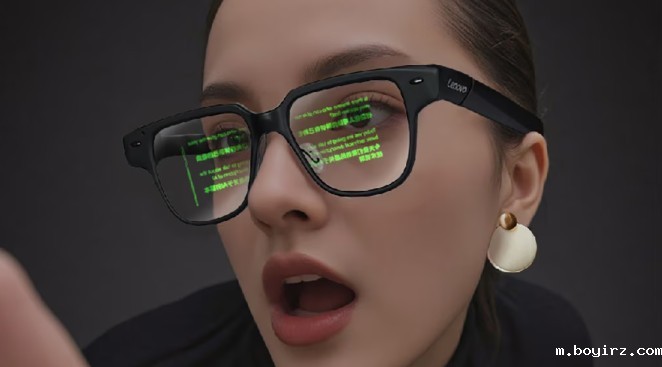
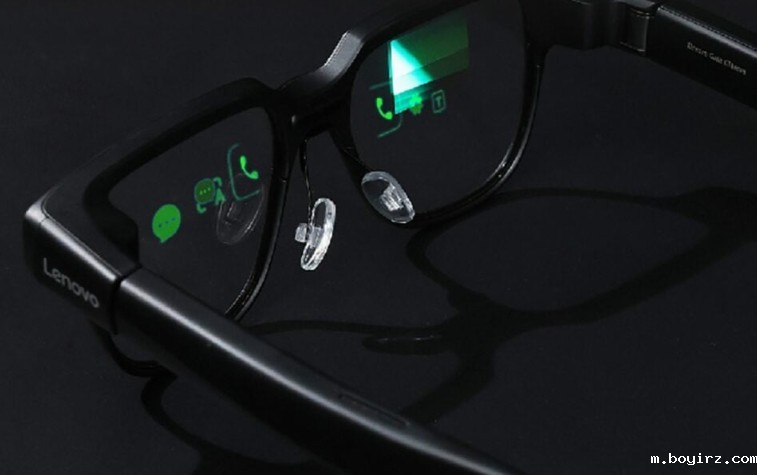
The launch underscores Lenovo’s ambition to redefine smart eyewear through the fusion of Micro LED display technology, AI voice functionality, and ergonomic design. However, the absence of a built-in camera—a feature now common among AI wearables—suggests Lenovo is prioritizing comfort and privacy over immersive visual capture.
Exceptional Visual Performance with MicroLED Display Technology
At the heart of Lenovo’s new glasses is a MicroLED optical engine, combining Meta-Bounds’ resin diffraction waveguide with a monochrome Micro LED display. As reported by LEDinside, the display achieves peak brightness levels of up to 2,000 nits, delivering clear visibility even in strong ambient light.
The lenses, just 1.8 mm thick, allow users to switch between monocular and binocular display modes, offering flexibility for different applications—whether reading, working, or entertainment. With a 15 × 11 mm eye-tracking viewing area, Lenovo demonstrates how MicroLED AI glasses can balance image clarity, brightness, and lightweight design within a compact optical system.
Smart Controls and AI Voice Assistant
The glasses also feature touch-sensitive temples, enabling users to swipe and tap to answer calls, check messages, or turn digital pages. Powered by Lenovo’s Tianxi intelligent assistant, the V1 supports AI voice commands, real-time translation, and hands-free operation.
According to ITHome, the glasses provide 8–10 hours of continuous translation and up to 250 hours of standby time—a strong indication of energy efficiency and practical usability. Yet as 9to5Google points out, the lack of a camera means users will miss out on functions like image recognition or photo capture, which have become signature features in many AI glasses models.
Expanding Competition in MicroLED AI Glasses
Lenovo’s announcement arrives as several manufacturers accelerate their push into MicroLED AI glasses. In October, Leyard opened preorders for its first Micro LED AR glasses. Around the same period, Waterfall unveiled AI glasses powered by a full-color Micro LED optical engine, while INMO launched its INMO GO3 AI smart glasses.
As highlighted by LEDinside, Micro LED technology is emerging as a foundational display solution for AR and AI wearables due to its superior brightness, contrast ratio, durability, and low power consumption. These qualities make it especially suitable for lightweight optical modules that must balance performance with long-term comfort.
The Outlook: Lightweight Intelligence for Everyday Use
Lenovo’s AI Glasses V1 may lack a camera, but its ultra-light 38-gram design, 2,000-nit Micro LED display, and AI-powered assistant show how far smart eyewear has evolved. Rather than aiming for full AR immersion, Lenovo seems focused on creating a practical, voice-controlled companion for productivity and everyday communication.
As more global and Chinese brands invest in MicroLED AI glasses, the convergence of AI, optics, and wearables will likely define the next stage of personal computing—one where visual clarity and intelligent interactivity are seamlessly integrated into a pair of glasses.


Meeting the Growing Demand for High-Impact Digital Signage
As the demand for dynamic and high-performance LED display technology continues to grow across Europe, many organisations face challenges. They balance image quality, energy consumption, and reliability. The partnership between Yaham and Bauer Digital directly addresses these needs. It delivers Yaham LED display solutions that combine exceptional brightness, durability, and efficiency.
From retail environments to corporate venues, transportation hubs, and public spaces, Yaham LED displays are engineered to enhance communication. They engage audiences and transform visual storytelling with superior image precision and long-term stability.

Smarter, Brighter, and More Reliable Yaham LED Display Solutions
Globally recognised for their engineering excellence, Yaham LED display solutions are designed to deliver high precision, consistent brightness, and reduced energy usage. Built with years of innovation and rigorous testing, these displays offer exceptional performance with minimal maintenance.
Through this exclusive partnership, Bauer Digital provides customers across the UK and Europe with access to Yaham’s full product portfolio. This is supported by local expertise and dependable after-sales service. Together, the two companies aim to redefine what businesses can expect from modern digital signage. They offer a balance of innovation, reliability, and sustainability.

Shared Vision for Innovation and Market Growth
According to Josh Bunce, Director at Bauer Digital, the collaboration enables his company to bring a higher level of LED display innovation and reliability to clients throughout the UK and Europe. He noted that Yaham’s engineering quality and technological leadership align perfectly with Bauer Digital’s mission. They help businesses communicate more effectively and create memorable visual experiences.
Zhu Haitao, Chairman of Yaham, emphasised that the partnership represents an important milestone in Yaham’s global expansion. He highlighted Bauer Digital’s strong regional network and service capability as key. These ensure that customers in the UK and Europe can fully experience the quality and performance of Yaham LED display solutions with comprehensive local support.
A New Era for Digital Signage in the UK and Europe
By merging Yaham’s global innovation with Bauer Digital’s regional insight, the partnership marks a pivotal moment for the LED display industry. Businesses across the UK and Europe can now access next-generation Yaham LED display technologies that deliver unmatched performance, energy efficiency, and visual impact.
As digital signage continues to evolve into a cornerstone of modern communication, Yaham and Bauer Digital are committed to driving a more connected, sustainable, and visually engaging future. This future is powered by smarter LED display solutions.
About Yaham
Founded in 2002, Yaham is a global manufacturer of professional LED display solutions, serving clients in more than 100 countries. Its product range includes indoor, outdoor, transparent, and creative Yaham LED display products. These are widely used in advertising, retail, entertainment, transportation, and smart city applications.
Website: www.yaham.com
About Bauer Digital
Bauer Digital is a UK-based provider of advanced digital display and signage systems. Specialising in large-format LED display solutions, the company delivers end-to-end services. This includes design, installation, and maintenance for clients in retail, corporate, and public sectors.
Website: www.bauerdigital.com
Below are the essential factors every organization should evaluate before partnering with an AV company.
1. Expertise and Industry Experience
The first and most important factor is the audiovisual solutions provider’s experience and specialization. A company that has handled projects similar to yours—such as LED video walls, conference systems, or immersive exhibits—will understand your technical and operational challenges better.
Ask questions such as:
- How long have they been in the AV industry?
- What type of projects have they completed recently?
- Do they specialize in commercial, educational, or entertainment applications?
A proven track record shows the provider’s ability to design and execute solutions that deliver both performance and reliability.
2. Technical Capability and Product Portfolio
A professional audiovisual solutions provider should offer more than just equipment sales. Look for a company that provides complete system integration—from design, engineering, and installation to calibration and maintenance.
Check if the provider works with reputable brands for components like:
- LED displays and processors
- Professional audio systems
- Control systems and automation software
- Video conferencing and collaboration tools
A broad, high-quality product portfolio reflects technical capability and ensures your project is built on scalable, future-proof technology.
3. System Design and Customization
Every space is unique, and a one-size-fits-all approach rarely works in audiovisual projects. The best providers conduct a site assessment and develop a custom design based on your goals, budget, and environment.
Customized solutions can help:
- Improve acoustics and viewing angles
- Optimize display brightness and resolution
- Integrate seamlessly with existing IT infrastructure
When the provider takes the time to understand your needs, the final installation performs better and delivers a stronger return on investment.
4. Project Management and Support
A successful AV project depends heavily on strong project management. The provider should clearly outline timelines, responsibilities, and deliverables, ensuring the installation process runs smoothly and on schedule.
Also, consider after-sales support. Does the company offer remote monitoring, regular maintenance, or on-site technical service? Reliable post-installation support ensures system uptime and protects your investment over the long term.
5. Integration and Future Scalability
Modern audiovisual systems often integrate with IT networks, cloud platforms, and control systems. Choose a provider with IT integration experience to ensure security and compatibility.
Moreover, technology evolves rapidly. A forward-thinking provider will design a system that allows for scalable upgrades—such as adding new displays, sensors, or software features—without requiring a complete overhaul.
6. Budget Transparency and Value
While cost is always a factor, the cheapest quote is not always the best value. A professional AV partner should provide transparent pricing, clearly explaining what’s included in the proposal and where potential additional costs might arise.
Consider the total value—design expertise, installation quality, warranty coverage, and support—rather than focusing only on the initial investment.
7. Reputation and Client References
Before making a final decision, research the provider’s reputation and client feedback. Look for online reviews, case studies, or testimonials that demonstrate consistent performance and customer satisfaction.
If possible, visit one of their completed projects to see their work in action. This can reveal more about the provider’s attention to detail and commitment to long-term quality.
Conclusion
Selecting the right audiovisual solutions provider requires careful evaluation of technical expertise, design capability, and service quality. A reliable partner not only delivers cutting-edge technology but also ensures that every aspect of your AV system enhances communication, creativity, and operational efficiency.
By considering these key factors—experience, customization, project management, integration, value, and reputation—you can confidently choose a partner who will bring your vision to life and support your audiovisual goals for years to come.
You may also be interested in: Why Now May Be the Best Time to Sell Your AV Company
]]>